How Modern Games Are Reinventing the Prize Wheel
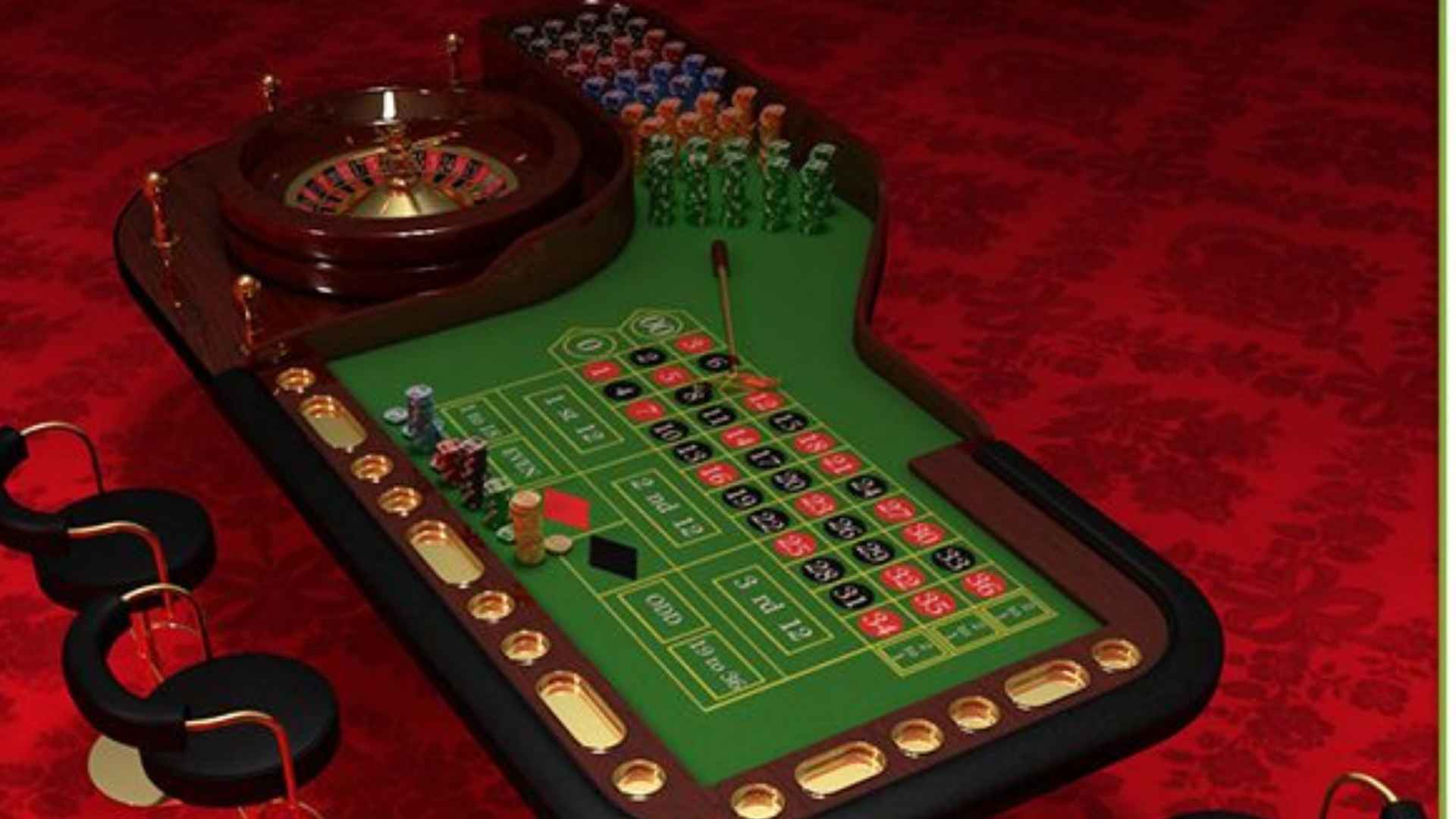
The traditional concept of a spinning wheel has shifted significantly from simple fairground attractions into highly sophisticated digital systems that capture human curiosity. Modern interactive games are completely redesigning this classic mechanic to deliver deeper engagement, moving far beyond the static visual designs of the past. By fusing advanced graphics with multi-layered progression mechanics, developers have successfully transformed a passive viewing experience into an active gaming journey.
The Shift to Dynamic Visual Presentation
Legacy software models relied heavily on basic rotational animations that offered very little sensory feedback to the participant. Today, modern engineering pipelines incorporate complex physics simulation and particle systems that mimic the authentic weight and friction of mechanical wheels. These real-time visual enhancements build a genuine sense of suspense as the indicator slows down across different reward tiers.
Furthermore, adaptive thematic elements allow the appearance of the interface to change organically depending on active events or player achievements. Instead of staring at the same static color segments, users interact with evolving presentation layers that respond directly to their gameplay milestones. This integration of cinematic design standards ensures that every independent turn feels completely unique and modern.
Integrating Narrative Elements and Progression Systems
One of the most profound innovations in contemporary design is the inclusion of storyline progression alongside standard chance mechanics. Players are no longer just spinning for isolated prizes; they are unlocking new chapters, evolving characters, and discovering hidden map territories. This structural change provides a meaningful context that gives every outcome a distinct purpose within the broader gaming universe.
Many advanced setups now include multiplier systems and persistent levels that carry over across multiple sessions. For those looking to explore how digital technology merges entertainment with accessible gaming mechanics, reviewing a trusted platform via link m88 provides excellent practical context regarding how modern platforms manage their random selection software. Giving players a sense of long-term growth completely changes the psychological value of secondary reward segments.
Algorithmic Fairness and Transparency Architecture
As interactive entertainment grows more sophisticated, maintaining user trust through transparent mathematical distribution has become a top priority for creators. Modern game engines leverage advanced random number generators that ensure verifiable impartiality for every segment on the wheel. This computational foundation guarantees that visual design matches statistical reality, removing the hidden biases common in older software models.
Additionally, developers frequently publish explicit probability tables and pay structures directly within the user interface to promote clear communication. Educating participants on how independent outcomes function helps build a realistic expectation model before any playtime begins. This balance between mysterious anticipation and engineering transparency represents the true hallmark of modern industry standards.
The Emergence of Community Driven Mechanics
The final pillar of the modern transformation centers on shifting isolated single-player turns into collaborative community events. Social streaming networks and live interactive technologies allow hundreds of viewers to influence the direction or stakes of a single spinning challenge simultaneously. This collective participation fosters an immersive atmosphere where victories are celebrated cooperatively across global digital spaces.
By combining multi-step reasoning frameworks with scalable multiplayer infrastructure, developers continue to push the boundaries of casual media. The humble carnival spinner has successfully evolved into a highly connected digital asset that adapts to modern user preferences. As technology advances, the underlying relationship between chance, skill, and narrative design will undoubtedly become even more seamlessly integrated.